

What Regulates And Defines Artificial Intelligence?
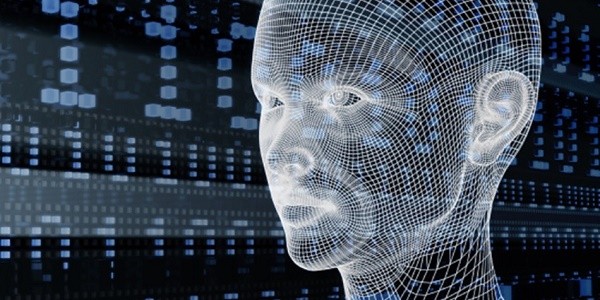
For most people, AI (artificial intelligence) is a pipe dream that became a reality in their favorite movies. From Star Trek’s Data and Terminator T-800 to Ex Machina’s Ava, there has never been a lack of imagination when it comes to AI, whether they are humanity’s ally or foe. However, the definition of an AI is not something that is easily answered for a computer scientist. To be fair, AI do not necessarily think the same way as humans and the fact that most of them wear a human façade in the movies is simply a way of making them more ‘real’ and relatable as opposed to actually making them realistic.

For one, AI can be computer programs designed to engage in a specific mission with the sole task of finishing it perfectly. For example, AlphaGo was designed to beat the human world champion at Go and Watson was designed to beat humans at Jeopardy, though neither of these AI acted or ‘thought’ out its moves in the game through the way humans do. Instead, predetermined pattern recognition software aided the Ai in accurately guessing their opponents move in a way humans cannot. Rather than saying Ai think and execute tasks like humans, it would be more accurate to say they think and act rationally.
These days, scientists are defining AI as carrying out tasks that humans do automatically and subconsciously on computers. Converting common sense into binary code is one of the most difficult snags scientists have come across, despite the exponential growth of computer systems. Teaching machines how to live in 3D when their existence is based on converting all their sensory input into 0’s and 1’s is a task of no little importance. Newer AI are programmed to learn through interaction, however their shortcomings when it comes to making spontaneous choices has not gone unnoticed. The upside is that there are AIs that can handle certain tasks very well but their limited situational use is slated to expand soon.

 There is an interesting history associated with the invention of this
 With the growth of e-commerce, the prospects for online shopping is consistently on the rise. A majority of the retailers have an online platform to sell their products. Many have expanded their product range. A few offer free shipping offers to boost their sales. And a clear majority have their focus on social media to make their profits soar. The standard bricks and mortar shops are being reinvented to online boundaries. In the age of smartphones, tablet, and iPads, online shopping seems to be the best match. The physical distances are already blurred with several technological advancements. The online retail markets have gathered the impetus towards establishing their brands.
 Business stalwarts like the Walmart have already acquired Kosmix, the renowned social media platform. They are looking forward to opening Walmartlabs to enhance their online sales. It is important for all online stores to focus on customer opinions, diverse product categories, strong return policies for acquiring a better reach among the consumers. Online retailers can also opt for in-store pick up to enhance their services. Many stores allow their customers to order products online and provides a delivery on the go. It can blur the distances further and cut down on the delivery time. A pick-up depot could be a viable option for the smaller retailers.